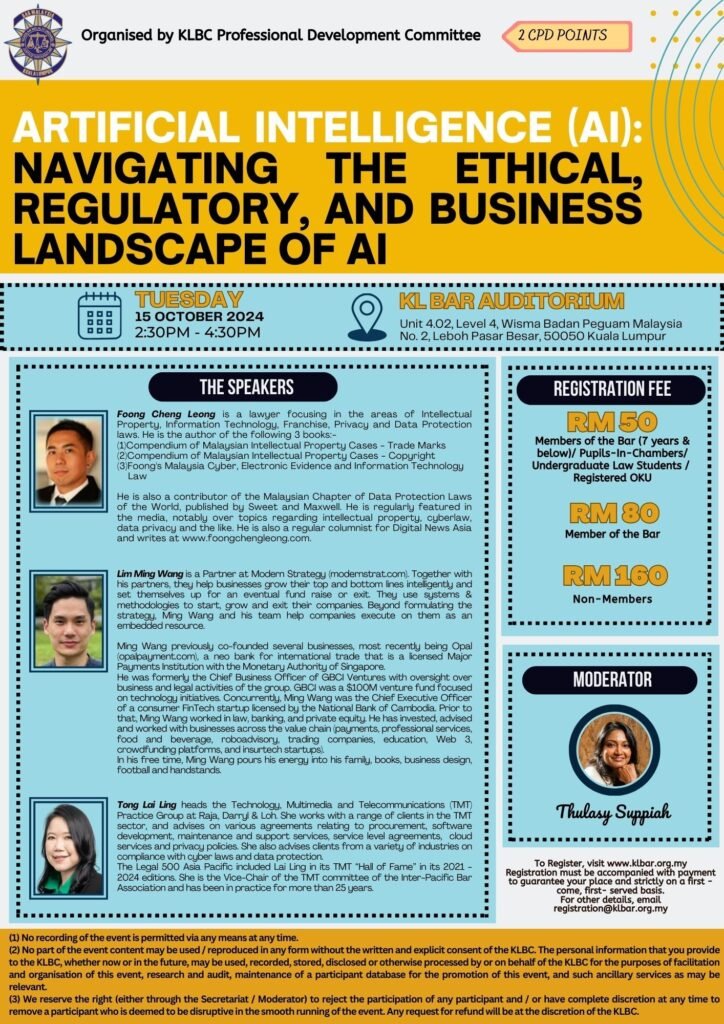
The global AI market is hurtling towards an astonishing $997.77 billion valuation by 2028, and within this surging tide, AI video stands out as a particularly potent, rapidly evolving force. From hyper-realistic deepfakes to AI-generated marketing campaigns, this technology promises unprecedented creative power and efficiency. Yet, with great power comes equally significant responsibility. Navigating the Ethical Implications & Regulatory Landscape of AI Video isn't just a compliance chore; it's a fundamental challenge that will define our digital future and determine whether AI serves humanity or undermines its trust.
This isn't about fear-mongering; it's about informed action. As AI video tools become more accessible, every professional – from content creators and marketers to policymakers and legal experts – needs a robust understanding of the risks, the emerging rules, and the strategies for responsible deployment. Consider this your essential guide to not just understanding, but actively shaping, a more ethical AI video ecosystem.
At a Glance: Key Takeaways on AI Video Ethics & Regulation
- Rapid Evolution, Pressing Risks: AI video, while transformative, introduces significant ethical challenges around deepfakes, bias, intellectual property, and privacy.
- Global Regulatory Divergence: The EU favors a risk-based, comprehensive approach (e.g., AI Act), while the US leans towards sector-specific policies and voluntary frameworks.
- Internal Governance is Paramount: Organizations must develop robust internal standards and compliance strategies, even in the absence of comprehensive external laws.
- Transparency is Key: Labeling AI-generated content and disclosing its nature will be crucial for maintaining trust and combating misinformation.
- Accountability Starts with People: Ethical oversight requires clear responsibilities, continuous training, and cross-functional collaboration within any organization deploying AI video.
- The Future Demands Proactivity: Staying informed about the latest video generation model news and engaging in public discourse is vital for shaping future policies.
The Power and Peril: Unpacking AI Video's Dual Nature
AI video generation has moved beyond novelty into genuine utility. Imagine tailoring a single ad campaign to countless individual preferences, generating training videos in minutes, or creating entirely new cinematic worlds without traditional filming. These are the promises. But beneath this veneer of innovation lies a complex web of ethical dilemmas that demand our immediate attention.
The rapid advancements in machine learning and generative AI have led to capabilities once confined to science fiction. As these technologies integrate into everything from healthcare simulations to law enforcement, the importance of discussing their ethical implications and the necessity for robust regulatory frameworks cannot be overstated. We're at a pivotal juncture where the convergence of technology and ethics is crucial for ensuring that AI serves humanity in a positive manner.
The Shadow Side: Key Ethical Risks of AI Video
- Deepfakes and Misinformation: This is arguably the most well-known and immediate threat. The ability to create hyper-realistic, fabricated videos of individuals saying or doing things they never did has profound implications for trust, reputation, and democratic processes. From political propaganda to blackmail, the potential for harm is immense, eroding public confidence in visual evidence itself.
- Bias Amplification: AI models are only as good as the data they're trained on. If training data contains inherent biases (e.g., underrepresentation of certain demographics), the AI video output will reflect and even amplify these biases. This could perpetuate stereotypes, lead to discriminatory outcomes in hiring videos, or create non-inclusive virtual representations. This concern extends to decision-making biases as well, as AI might be used to influence perceptions based on biased visual cues.
- Privacy Erosion: The creation of synthetic media often involves the unauthorized use of individuals' likenesses, voices, and behaviors. This directly infringes on personal privacy and autonomy. Who owns your digital twin? What consent is needed to use your image for AI generation? These questions become increasingly urgent.
- Intellectual Property and Copyright Infringement: When AI generates new content by learning from vast datasets of existing works, questions arise about original authorship and copyright. If an AI "learns" from copyrighted videos and then creates a new one, is the new video infringing? Who owns the copyright of AI-generated content? This area is a legal minefield.
- Psychological and Social Impact: The widespread use of AI-generated video can blur the lines between reality and fiction, leading to increased paranoia, difficulty discerning truth, and potential psychological distress from being targeted by deepfakes or engaging with simulated realities.
- Accountability Gaps: When an AI system produces harmful content, who is responsible? The developer? The user? The platform? Establishing clear lines of accountability is critical but incredibly challenging in multi-stakeholder AI ecosystems.
The challenges and dangers that AI can pose range widely, from privacy concerns to decision-making biases. Understanding these real risks is the first step toward making informed decisions about AI usage and deploying it responsibly.
Navigating the Global Regulatory Maze: Two Paths, One Goal?
As AI capabilities expand, governments worldwide are scrambling to create frameworks that foster innovation while mitigating risks. However, the approaches taken by major global players, particularly the European Union and the United States, highlight a significant divergence in philosophy and enforcement.
The European Union's Proactive, Risk-Based Stance
The EU has consistently positioned itself at the forefront of AI regulation, culminating in the groundbreaking EU AI Act. Their approach is characterized by:
- Risk-Based Framework: The Act categorizes AI systems based on their potential for harm, imposing stricter requirements on higher-risk applications.
- Unacceptable Risk: AI systems that manipulate human behavior, enable social scoring by governments, or exploit vulnerabilities (e.g., subliminal techniques) are outright banned.
- High-Risk: AI systems used in critical infrastructures, education, employment, essential private and public services, law enforcement, migration management, and democratic processes face stringent obligations. These include robust risk assessment systems, data governance, human oversight, transparency, accuracy, and cybersecurity.
- Limited Risk: AI systems like chatbots or deepfakes must adhere to transparency requirements, informing users that they are interacting with AI or synthetic content.
- Minimal Risk: The vast majority of AI systems (e.g., spam filters) fall into this category and are subject to voluntary codes of conduct.
- Emphasis on Fundamental Rights: The EU's regulation is deeply rooted in protecting fundamental rights like privacy, non-discrimination, and human dignity.
- Pre-Market Conformity Assessment: High-risk AI systems must undergo a conformity assessment before being placed on the market.
- Robust Enforcement: Non-compliance can lead to hefty fines, mirroring the strictness of GDPR.
For AI video, this means any generative AI system capable of creating deepfakes or high-impact synthetic media would likely fall under "high-risk" or "limited risk," demanding clear labeling, robust safeguards, and potentially human oversight.
The United States' Sector-Specific, Iterative Policy
In contrast, the US approach to AI regulation is generally more fragmented and iterative, reflecting a preference for market-driven solutions and a sector-specific outlook:
- Sector-Based Policy: Instead of a single, overarching AI law, the US tends to address AI risks through existing sectoral regulations (e.g., healthcare, finance, consumer protection) or through specific agency guidance.
- Voluntary Frameworks and Executive Orders: The US often relies on voluntary industry standards, best practices, and executive orders to guide AI development. For instance, recent Executive Orders have pushed for AI safety standards, transparency, and protection against AI-enabled fraud and discrimination.
- Emphasis on Innovation: There's a strong focus on fostering AI innovation and leadership, with a more cautious approach to imposing broad regulations that might stifle technological advancement.
- "Soft Law" and Guidelines: Agencies like the National Institute of Standards and Technology (NIST) have developed AI Risk Management Frameworks designed to be voluntarily adopted by organizations.
- Focus on Specific Harms: While not a comprehensive law, legislative efforts often target specific AI-related harms, such as deceptive deepfakes in elections or algorithmic bias in lending.
This means that for AI video, regulation in the US might come from the Federal Election Commission for political deepfakes, the Federal Trade Commission for deceptive advertising, or state laws concerning likeness rights. This multi-pronged approach differentiates significantly from the EU's more centralized, risk-based framework.
A Global Patchwork and the Push for Common Ground
Beyond the EU and US, countries like the UK, China, and Canada are also developing their own AI strategies. The UK has taken a more pro-innovation, context-specific approach, while China has enacted strict regulations on algorithms and deepfakes. This global patchwork presents a challenge for international companies developing AI video tools, necessitating a deep understanding of varied compliance requirements.
Despite these differences, there is a perceived need for broader, industry-wide initiatives that establish common guidelines and principles. This call for harmonization recognizes that AI is a global technology, and a fragmented regulatory landscape can hinder responsible development and deployment.
Beyond Legislation: The Crucial Role of Internal Governance
While external regulations provide a crucial baseline, true ethical deployment of AI video starts much closer to home: within organizations themselves. Companies like Microsoft, for instance, have developed their own extensive internal guidelines for responsible AI. This highlights that formal laws alone aren't enough; robust internal governance is the bedrock of ethical AI practice.
Why Internal Standards Matter More Than Ever
- Proactive Risk Mitigation: Waiting for legislation is a reactive strategy. Developing internal standards allows organizations to anticipate and mitigate risks before they manifest as reputational damage, legal battles, or public backlash.
- Building Trust and Reputation: Demonstrating a commitment to ethical AI fosters trust with customers, partners, and the public. In an era of increasing AI skepticism, this can be a significant competitive advantage.
- Ensuring Compliance and Avoiding Penalties: While laws may be nascent, developing internal guidelines helps ensure that when regulations do come into force, your organization is already aligned or well-positioned to adapt.
- Fostering Responsible Innovation: Clear internal guardrails can actually empower innovation by providing a safe, defined space for experimentation, rather than stifling it through ambiguity.
Building a Robust AI Governance Framework for AI Video
Establishing a comprehensive generative AI governance framework involves more than just a policy document. It’s about embedding ethical considerations into every stage of the AI lifecycle. It all starts with people and accountabilities.
Here are key best practices for developing internal standards and guidelines for organizational compliance with generative AI regulations:
- Define Your AI Ethical Principles: Start with your organization's core values. Translate these into specific, actionable ethical principles for AI, such as fairness, transparency, accountability, privacy, and human oversight. These principles should guide all AI video development and deployment.
- Establish Clear Accountabilities: Who owns the ethical review process for AI video? Who is responsible for data governance? For bias mitigation? Clearly define roles and responsibilities across different departments (legal, engineering, product, marketing). Consider creating an "AI Ethics Committee" or a dedicated Responsible AI team.
- Implement Robust Risk Assessment Protocols: Before deploying any AI video system, conduct a thorough risk assessment. This should identify potential harms (deepfakes, bias, privacy violations), assess their likelihood and impact, and outline mitigation strategies. This isn't a one-time exercise but an ongoing process.
- Prioritize Data Governance and Quality: High-quality, diverse, and ethically sourced data is fundamental to ethical AI video. Implement strict data governance policies covering collection, storage, usage, and auditing to prevent bias and protect privacy.
- Develop Transparency and Explainability Mechanisms: For AI video, this means clear labeling. If a video is AI-generated, users should know. This could involve visible watermarks, metadata, or explicit disclaimers. For high-risk applications, strive for explainable AI where the reasoning behind certain outputs can be understood.
- Ensure Human Oversight and Intervention: AI video should augment, not replace, human judgment. Design systems that allow for human review and intervention, particularly in sensitive or high-stakes applications.
- Invest in Training and Education: All employees involved in developing, deploying, or using AI video should receive comprehensive training on ethical considerations, regulatory requirements, and internal guidelines.
- Regular Audits and Monitoring: Continuously monitor AI video systems for performance, fairness, and compliance. Conduct regular internal and external audits to identify and address any emerging ethical issues or vulnerabilities.
- Feedback Loops and Iteration: Create channels for internal and external stakeholders to provide feedback on AI video applications. Use this feedback to continuously improve your ethical guidelines and technical safeguards.
By adopting these practices, organizations can confidently navigate and implement strategies for AI compliance, ensuring alignment with both ethical standards and regulatory requirements.
Practical Steps for Organizations and Creators: Moving from Principle to Practice
So, what does all this mean for you, the individual creator, marketer, or product manager working with AI video? It means being proactive, diligent, and thoughtful.
1. Master Risk Assessment for Your AI Video Projects
Every AI video project carries unique risks. Don't assume.
- Identify the "Who": Are you generating video of real people? Public figures? Fictional characters? How sensitive is their likeness?
- Assess the "What": What is the content of the video? Is it realistic? Deceptive? Educational? Entertainment? Does it touch on sensitive topics (politics, health, finance)?
- Consider the "Where/How": Where will the video be published? A private internal communication? A public ad campaign? News media? The context of deployment heavily influences risk.
- Map Potential Harms: List out all possible negative outcomes: reputational damage, misinformation, legal action, psychological distress, bias.
- Mitigation Strategies: For each identified risk, brainstorm specific actions. Can you use disclaimers? Require explicit consent? Audit your data? Limit distribution?
2. Prioritize Transparency and Disclosure
This is perhaps the most universally accepted ethical imperative for AI video. When in doubt, label it.
- Visible Watermarks: Implement visible indicators on AI-generated video.
- Metadata Integration: Embed digital watermarks or metadata that identifies the content as AI-generated.
- Explicit Disclaimers: Use clear text labels, especially when the AI video is highly realistic or could be mistaken for genuine footage. For example, "This video was generated using AI," or "Synthetic Media."
- Contextual Disclosure: If sharing AI video in an article or presentation, explicitly state its generative nature in the accompanying text.
- Consider the Impact of Non-Disclosure: Think about how a viewer would react if they later discovered a video they believed was real was actually AI-generated. This "gotcha" moment is what destroys trust.
3. Navigate Consent and Data Privacy with Care
When real individuals are involved, even synthetically, privacy is paramount.
- Explicit Consent for Likeness: If your AI video tool uses real people's faces or voices (even just as a style reference), ensure you have explicit, informed consent for that specific use. This means clearly explaining how their data will be used and for what purpose.
- "Right to Be Forgotten": Understand the implications of data privacy regulations (like GDPR) which give individuals rights over their data, including the right to have it deleted.
- Anonymization & Pseudonymization: Explore techniques to protect identities if you're working with sensitive personal data to train your models.
- Avoid Unauthorized Use: Never use public images or videos of individuals without explicit permission for generative AI purposes, especially if creating a "deepfake."
4. Proactive Bias Mitigation
Preventing bias starts before the video is even generated.
- Diverse Data Sources: Actively seek out and use diverse datasets for training AI models. Audit existing datasets for representational biases.
- Bias Detection Tools: Employ tools and techniques to identify and measure biases in your AI models' outputs.
- Human Review: Integrate human review into the workflow to catch and correct biased outputs.
- Team Diversity: A diverse team building and reviewing AI video is more likely to spot and address biases that a homogenous team might miss.
5. Understand Intellectual Property and Copyright
The landscape here is still evolving, but some principles apply.
- Originality: Currently, copyright law generally requires human authorship. AI-generated content may not be copyrightable in the traditional sense, though some jurisdictions are exploring this.
- Input vs. Output: If your AI model is trained on copyrighted material, does its output infringe? This is a contentious legal area. Err on the side of caution.
- Licensing: If you're using commercially available AI video tools, understand their terms of service regarding ownership and commercial use of the generated content.
- Fair Use: The concept of "fair use" (or "fair dealing" in other regions) might apply, but it's highly context-dependent and complex for AI-generated works.
Common Questions & Misconceptions About AI Video Ethics
Addressing these frequently asked questions can help clarify common uncertainties.
Q: Is all AI-generated video considered a "deepfake" and therefore unethical/illegal?
A: Not at all. "Deepfake" specifically refers to synthetic media that deceptively portrays someone doing or saying something they didn't, often with malicious intent. AI-generated video can be used for legitimate purposes like creative expression, marketing, or education, as long as it's transparently labeled and used ethically. The key is intent and disclosure.
Q: Will regulating AI video stifle innovation?
A: This is a common concern. While overly broad or prescriptive regulations could hinder innovation, thoughtfully designed frameworks can actually foster responsible innovation by building trust and creating clear guardrails. Knowing the rules allows developers and businesses to innovate within ethical boundaries, reducing the risk of costly mistakes or public backlash.
Q: Who is responsible if an AI video causes harm – the developer, the user, or the platform?
A: This is a major point of contention in policy debates. Generally, accountability is likely to be shared. Developers have a responsibility to design safe, unbiased systems; users have a responsibility to use them ethically; and platforms have a responsibility to moderate content and enforce policies. Specific laws like the EU AI Act aim to clarify these responsibilities based on the risk level and role of each party.
Q: Can AI video ever truly be "ethical" if it can be so easily misused?
A: Yes, absolutely. Just like any powerful technology (e.g., the internet, photography, or even fire), AI video has immense potential for both good and harm. Its ethical status depends entirely on how it's developed, deployed, and governed. With robust ethical principles, strong governance, transparency, and ongoing oversight, AI video can be a force for positive change. The goal isn't to ban it, but to civilize it.
Q: How can I, as an individual creator, make sure my AI video work is ethical?
A: Start by being transparent: always disclose when your content is AI-generated. Consider the potential impact of your work: could it mislead, harm, or disrespect anyone? Prioritize obtaining proper consent if using real people's likenesses. Stay informed about emerging best practices and regulatory changes.
The Future Is Now: Staying Ahead of the Curve
The ethical and regulatory landscape of AI video is not static; it's a dynamic, evolving ecosystem. What's considered acceptable or regulated today may shift dramatically tomorrow. The rapid pace of technological advancements means that legislation often lags behind, making proactive ethical considerations more important than ever.
- Embrace Continuous Learning: The best defense against future risks is an informed mindset. Regularly seek out updates on latest video generation model news, new regulations, and evolving ethical debates. Resources like the Coursera course "Ethical and Regulatory Implications of Generative AI" offer deep dives into recognizing potential risks, understanding global regulations, and developing compliance strategies.
- Foster Collaboration: No single entity can solve these complex challenges alone. Engage in industry forums, academic discussions, and multi-stakeholder initiatives to help shape common guidelines and principles. Your voice, informed by your practical experience, is invaluable.
- Champion Ethical Leadership: Whether you're a CEO, a team lead, or an individual contributor, lead by example. Prioritize ethical considerations in every decision, advocate for responsible AI practices within your organization, and be a voice for transparency and accountability.
The integration of AI into every sector means understanding its ethical and regulatory implications has never been more critical. By developing internal standards for organizational compliance, accompanied by best practices, you equip yourself not just to navigate the future, but to help build a more trustworthy and beneficial AI video landscape for everyone.
Your Role in Shaping an Ethical AI Video Future
The journey through the ethical implications and regulatory landscape of AI video isn't just an academic exercise. It's an urgent call to action. The potential of AI video is immense, offering transformative capabilities across industries. Yet, its responsible deployment hinges on our collective commitment to ethical principles and robust governance.
You now have a deeper understanding of the challenges and dangers that AI can pose—ranging from privacy concerns to decision-making biases. You're aware of the real risks associated with AI and equipped with the knowledge and tools to make informed decisions about AI usage.
Your engagement, whether as a creator, developer, policymaker, or consumer, is vital. By differentiating between global regulatory approaches, understanding the imperative for internal standards, and adopting practical steps for ethical deployment, you are not just a spectator; you are an active participant in shaping the future of AI video. Let's ensure that future is one built on trust, responsibility, and human flourishing.